
Rice and Malayalees: A Love Story Often Misunderstood
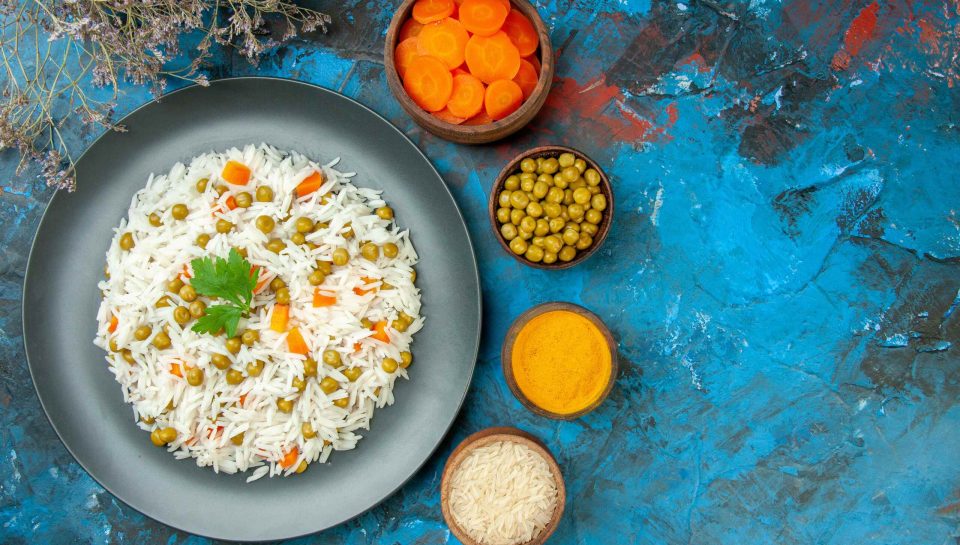
For Malayalees, rice is not just a grain — it carries memory, comfort, and identity. The fragrance of steaming matta rice with sambar, the softness of puttu with kadala, or the quiet warmth of kanji with payar are not just meals; they are part of how we remember home.
Yet today, rice is often blamed for diabetes, weight gain, and lifestyle diseases. It raises an important question: is rice truly the problem, or has the way we live around it changed?
Tradition and Today’s Lifestyle
For centuries, Malayalees ate matta rice with seasonal vegetables, pulses, fish, and buttermilk. Meals were simple, nourishing, and balanced. Life was physically active — in fields, rivers, and kitchens — and the energy that rice provided was used naturally.
Today, the picture is different:
• Polished white rice has replaced fiber-rich matta
• Meals are often heavy on fried and oily side dishes
• Daily movement has reduced
It is not rice alone that has changed — it is the rhythm of life around it.
Rice Is More Than Just Carbohydrates
When eaten with awareness, rice continues to offer real nourishment:
• It provides the body’s main source of energy
• Matta and brown rice contain fiber, minerals, and antioxidants
• It brings a sense of fullness and comfort, especially when paired with vegetables and protein
Calling rice “bad” oversimplifies something that has supported generations.
What Truly Makes the Difference
Rice becomes difficult for the body not because it is harmful, but because of how it is eaten today:
1. Type of rice – Matta or brown rice supports steadier blood sugar better than polished white rice
2. Portion size – Very large servings without enough vegetables or protein burden the system
3. Frequency – Eating rice at every meal leaves little room for balance
4. Lifestyle – A less active life needs smaller portions
5. Food combinations – Rice with thoran, avial, or buttermilk supports digestion; rice with fried and oily gravies often does not.
Why Rice Still Has a Place
For Malayalees, rice is more than food — it is culture. When eaten thoughtfully:
• Whole-grain rice supports blood sugar balance
• Traditional Kerala meals remain deeply nourishing
• Rice is naturally gluten-free and often gentler on digestion than wheat
• In a warm, humid climate, rice feels lighter and easier to digest
To reject rice completely is to miss both science and tradition.
Rice is not the enemy.
The way we eat and live has changed — and that is what needs attention.
Matta rice, served in sensible portions and balanced with vegetables, pulses, and movement, continues to be a quiet ally of health.