
Cervical Spondylosis
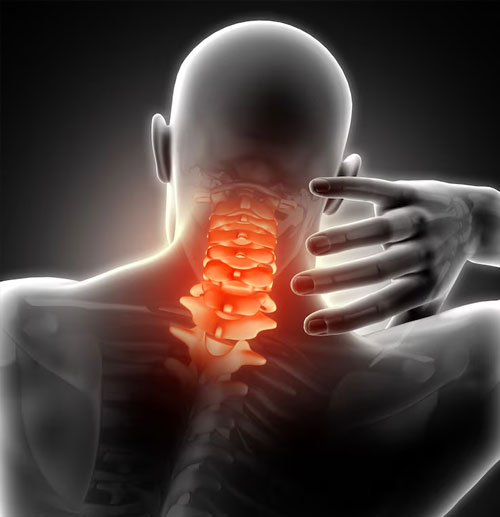
Cervical spondylosis refers to age-related and lifestyle-related changes in the neck region of the spine. Over time, the structures that support the neck — including the discs, joints, and surrounding muscles — begin to lose flexibility and resilience.
For many people, it develops gradually. Long hours of screen work, sustained poor posture, emotional stress held in the body, lack of movement, and reduced muscular support slowly strain the cervical spine. What begins as occasional stiffness may, over time, turn into persistent discomfort or restricted movement.
At its core, cervical spondylosis reflects how the neck has been carrying load — both physical and internal — over the years.
How It Often Feels in Daily Life
Cervical spondylosis can express itself in many subtle and not-so-subtle ways:
• Stiffness or tightness in the neck and shoulders
• Pain that may radiate to the upper back, arms, or head
• Frequent headaches, especially at the base of the skull
• Tingling or numbness in the arms or fingers
• Reduced range of neck movement
• Fatigue or heaviness around the shoulders
• Discomfort after prolonged sitting or screen use
Some people notice that symptoms fluctuate — improving with rest and returning during stress, long work hours, or emotional strain.
What Is Usually Happening Inside the Body
Cervical spondylosis is not just a structural issue. It often involves:
• Muscular guarding and tension
• Reduced circulation in the neck region
• Disc dehydration and joint stiffness
• Low-grade inflammation
• Nervous system sensitivity
When movement becomes limited and tension remains unaddressed, the neck slowly loses its natural adaptability.
Clinical Reflection
Cervical discomfort is often the body’s way of expressing prolonged holding — whether through posture, workload, emotional stress, or lack of restorative movement.
When circulation improves, muscular tension releases, and the nervous system settles, the neck often begins to regain mobility and comfort.
At Vihaara, cervical spondylosis is viewed not as wear and tear alone, but as a pattern the body has adapted into over time — and one that can gently shift when the underlying strain is understood and supported.
Living with chronic neck discomfort can affect sleep, concentration, work, and overall ease of living. Yet many people normalize this pain and carry it silently for years.
If you recognise these patterns and would like to explore what your body may be holding, a consultation at Vihaara offers space to understand this gently and in depth — without rushing, forcing, or suppressing symptoms.